
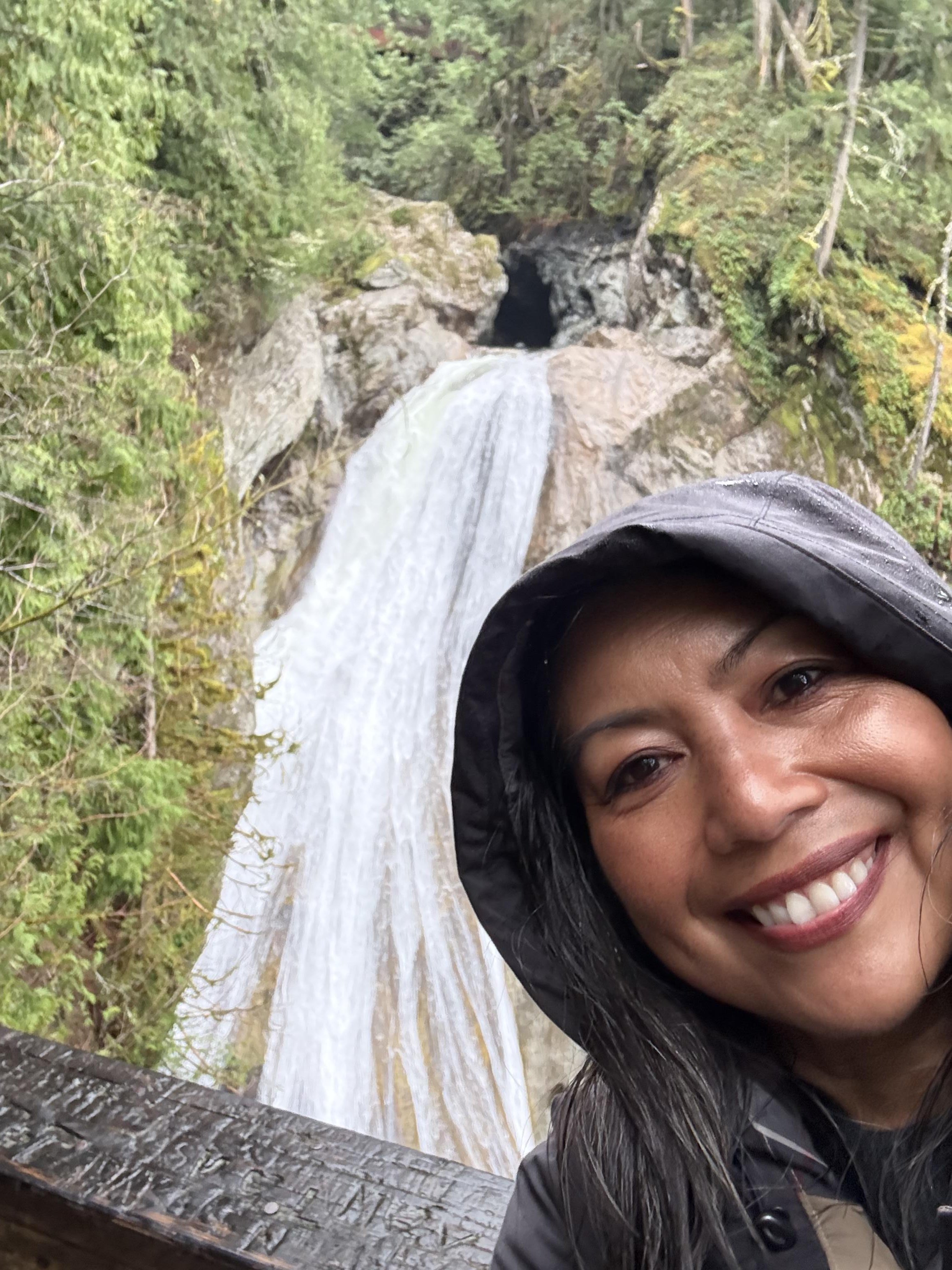
Reflections by Wild Grief board member Alice Cagampang, LICSW
Alice (she/her/siya) began her social work career over 25 years ago. Her practice eventually led her to work in accompanying people in their grief journey, with special emphasis on the experience of complicated grief through the death of a child. Alice was the Journey Program Clinical Manager at Seattle Children’s for 22 years, and has also been a faculty member of the UW School of Social Work since 2012, teaching in the MSW program. Alice is particularly interested in finding ways to increase access to culturally responsive grief support for all communities.
Grieving can be profoundly isolating. In a culture that often values productivity, certainty, and moving forward, those who are grieving frequently receive the message, whether explicit or implicit, that healing means “getting over” a loss or “moving on.” Yet anyone who has experienced significant loss knows this is rarely how grieving works. Grieving changes us. We do not return to who we were before. Instead, we learn to carry the loss, as we continue to live our lives. This is one of the reasons Wild Grief is so important.
More traditional approaches to grieving focus on helping people understand their experience cognitively. Understanding grief can certainly be helpful. But grieving does not reside in the logical part of ourselves. Grief invites us to remember and experience, and those processes reside in the emotional part of ourselves. Grieving is not logical. It’s experiential. Additionally, it is physical, relational, emotional, and spiritual. It lives in our bodies, our memories, our relationships, and often in the landscapes we inhabit.
Wild Grief creates something rare: opportunities for people to encounter grief not only through conversation, but through connection with others, with place, and with the natural world. There is something deeply healing about stepping outside the expectation that grief should be managed behind closed doors and instead bringing it into forests, along shorelines, beside rivers, and under open skies. Nature does not demand that we be finished with our grief. It does not ask us to explain it, justify it, or move through it on anyone else’s timeline.
I often think about the metaphor of a river when reflecting on grief. The writer Hermann Hesse described the river as existing everywhere at once, at its source and its mouth, in the mountains and the sea. The river teaches us that life is not simply a linear movement away from what has been. In grief, we discover something similar. The people who die remain part of us. Moments from the past continue to shape us in the present. Our connection does not end simply because a life has ended.
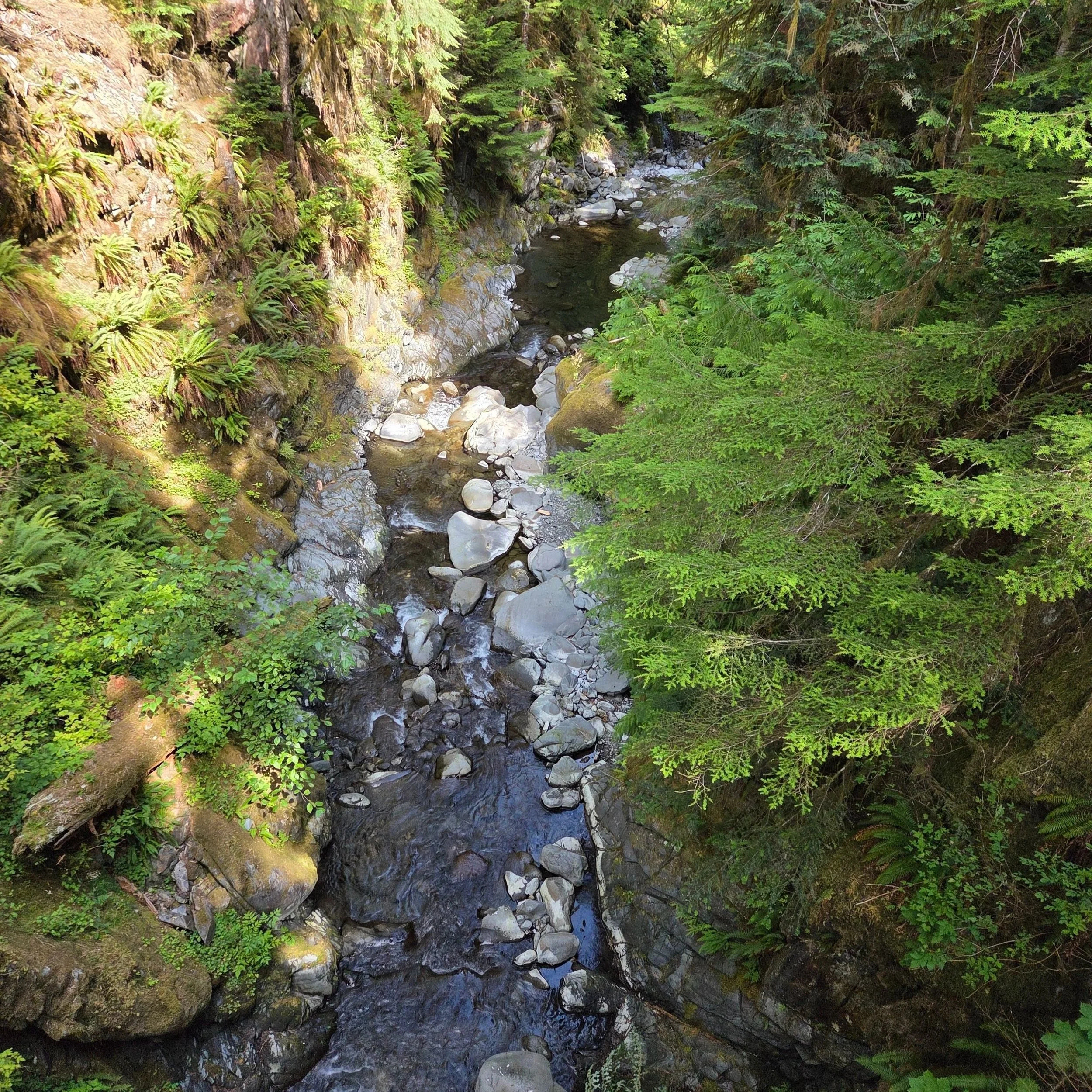
Like a river, grieving is always moving, and this force of movement changes us over time. Some days the river of grief rushes with overwhelming force. Other days it is quiet and steady. We are not the same person from one moment to the next, and neither are the lessons that grief can sometimes bring. The river continues to flow.
Nature reminds us that transformation rarely happens on demand. Trees do not rush their growth. Rivers do not force their way to the sea. Seasons unfold in their own rhythm. There is wisdom in the saying often attributed to Lao Tzu: “Nature does not hurry, yet everything is accomplished.” Grief follows a similar path. We cannot force it to resolve according to a timeline. Healing emerges not from rushing past our sorrow, but from learning to accompany ourselves through it with patience, compassion, and time.
Wild Grief understands this wisdom intuitively. Rather than treating grief as a problem to be fixed, it facilitates spaces where people can accompany one another through the changing currents of loss. Participants are invited to witness and be witnessed, to share stories, to sit in silence, to walk, to remember, and to discover that they are not alone.
Wild Grief addresses one of the most powerful factors that support the process of grieving: connection. Research consistently reminds us that relationships matter. Human beings heal in community. Our humanness is made for connection and relationship. The experience of being seen, accepted, and accompanied can make an extraordinary difference when navigating loss. Wild Grief cultivates exactly this kind of connection, not only between people, but between people and the larger living world that holds them.
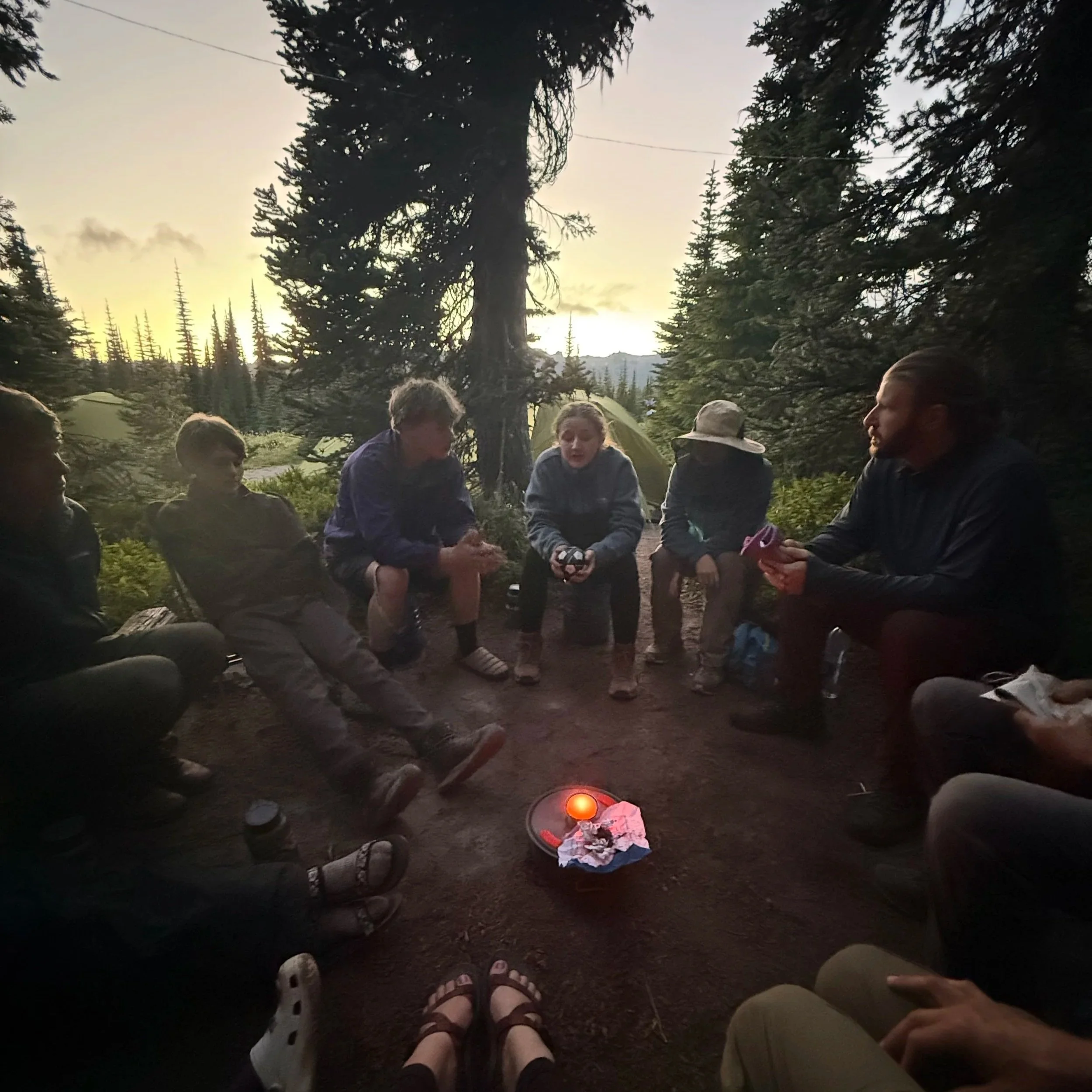
When I think about the impact of Wild Grief, I think about what becomes possible when individuals are given permission to bring their whole selves into a community that welcomes them. I think about the quiet relief of realizing that grief is not a sign that something is wrong, but evidence that something mattered deeply. I think about the ways nature reminds us that loss and transformation are woven into the fabric of life itself.
Wild Grief embodies something that both nature and grief teach us: there is no need to hurry. In a world that often pressures people to move on, Wild Grief offers permission to simply be where one is. Like a river finding its course or a forest growing season by season, healing unfolds in its own time. Nature does not hurry, yet everything is accomplished. In that spirit, Wild Grief creates space for people to discover that they do not need to walk ahead of their grief, only alongside it, in the company of others and held in the spaciousness of nature.